Kung Pao Chicken
宫保鸡丁
Description / 简介
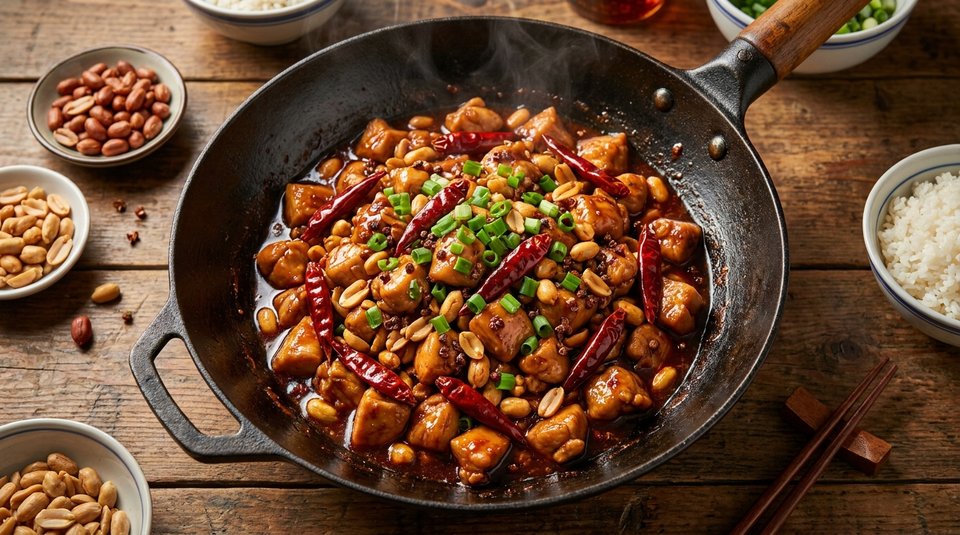
Kung Pao Chicken () is one of the most internationally beloved Sichuan dishes a dish with a fascinating history rooted in 19th-century imperial China. Named after Ding Baozhen, a Qing Dynasty governor of Sichuan who reportedly loved this combination of tender chicken, crunchy peanuts, and fiery chilies, the dish was originally called "Gong Bao" () in his honor. The signature flavor profile is called "" (smoky-spicy + lychee-sweet) the balance of charred, numbing heat from Sichuan
Ingredients / 食材
Chicken breast 300g (or chicken thigh for more tenderness)
Roasted peanuts 60g (unsalted)
Dried red chilies 810 pieces (cut into 1cm pieces, seeds removed for less heat)
Sichuan peppercorns 5g (about 15 whole peppers)
Green onions 3 stalks (cut into 1.5cm segments)
Garlic 5g (1 clove, minced)
Ginger 5g (1 tsp, minced)
Marinade:
Light soy sauce 15ml (1 tbsp)
Shaoxing rice wine 10ml (1 tbsp)
Egg white 1
Cornstarch 10g (1 tbsp)
Sauce:
Chinese black vinegar 20ml (2 tbsp)
Light soy sauce 10ml (1 tbsp)
Sugar 15g (1 tbsp)
Rice wine or dry sherry 10ml (1 tbsp)
Cornstarch 5g (1 tsp)
Water 30ml
Garnish:
Sesame oil 3ml (1 tsp)
Scarlet chili oil 10ml (optional, for extra color and heat)
Instructions / 制作过程
Step 1: Cut the Chicken into Uniform Cubes
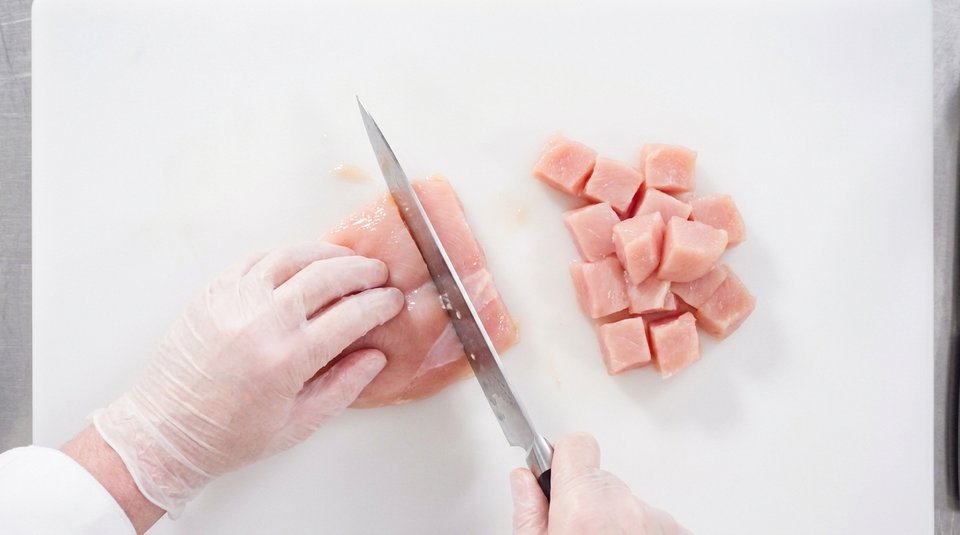
Cut the chicken breast or thigh into 1.52cm cubes uniform size is critical for even cooking. If using breast meat, cut against the grain for the most tender result. Place the cubes in a bowl and add the marinade ingredients: light soy sauce, rice wine, egg white, and cornstarch. Mix with your hand or a spoon until the liquid is fully absorbed and the chicken is coated in a thin, glossy layer. The egg white and cornstarch form a protective coating that keeps the chicken moist during high-heat cooking. Set aside for 10-15 minutes while you prepare the other ingredients.
Step 2: Marinate the Chicken
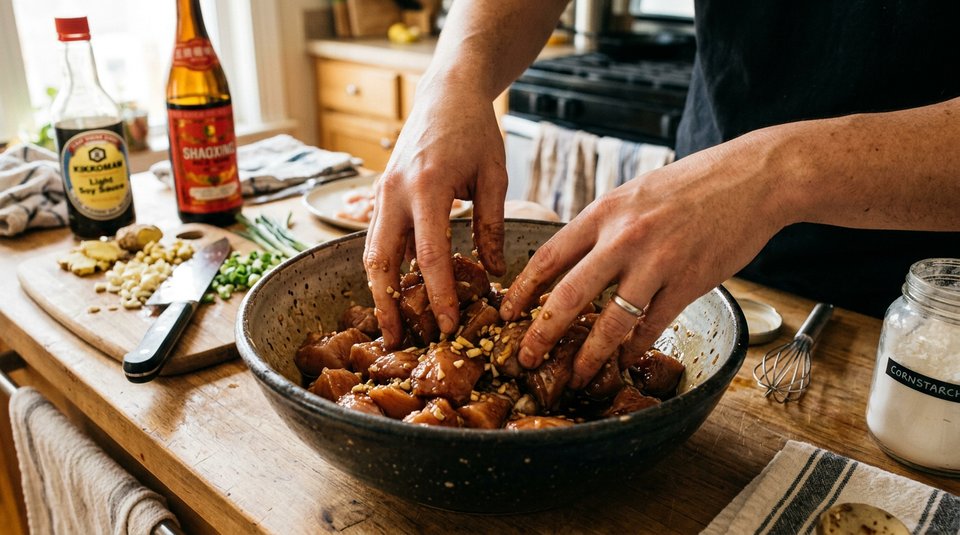
After mixing the chicken with the marinade, let it sit for at least 10 minutes to allow the soy sauce and rice wine to penetrate the meat and the cornstarch to bond with the protein surface. The chicken should feel slightly tacky to the touch when ready this tackiness is what helps the coating stay intact during frying. During this time, mix all the sauce ingredients together in a small bowl: Chinese black vinegar, light soy sauce, sugar, rice wine, cornstarch, and water. Stir until the sugar dissolves completely. Set this sauce bowl next to the stove you'll need it quickly once cooking begins.
Step 3: Mix the Kung Pao Sauce
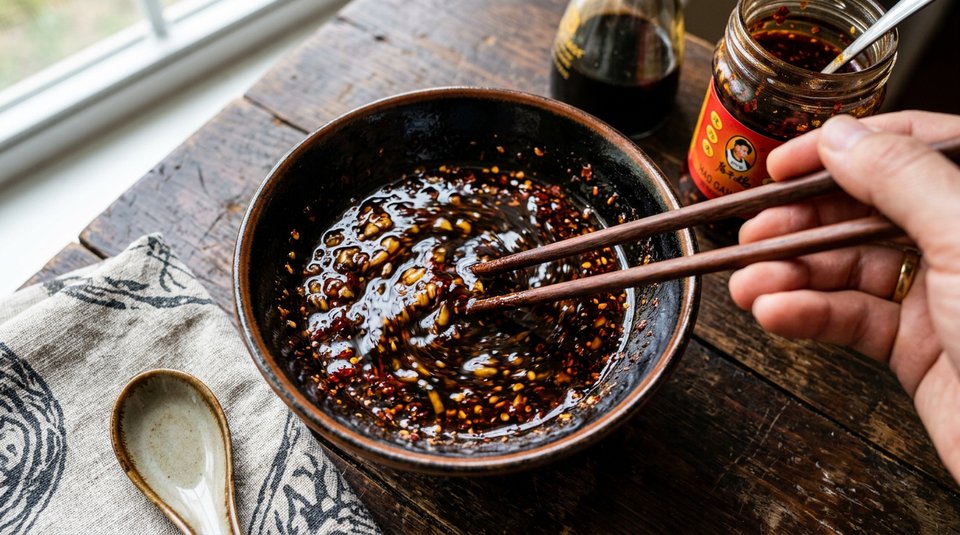
The sauce ratio is the soul of Kung Pao Chicken. In a small bowl, combine Chinese black vinegar, light soy sauce, sugar, rice wine, cornstarch, and water. Stir until the sugar fully dissolves. The color should be a glossy amber this is your complete Kung Pao sauce. Taste a tiny drop on a spoon: it should be a balanced combination of sour, sweet, and savory, with the sour slightly in the lead. Adjust sugar or vinegar to your preference before cooking once you start frying there's no time to adjust.
Step 4: Fry the Chicken at High Heat
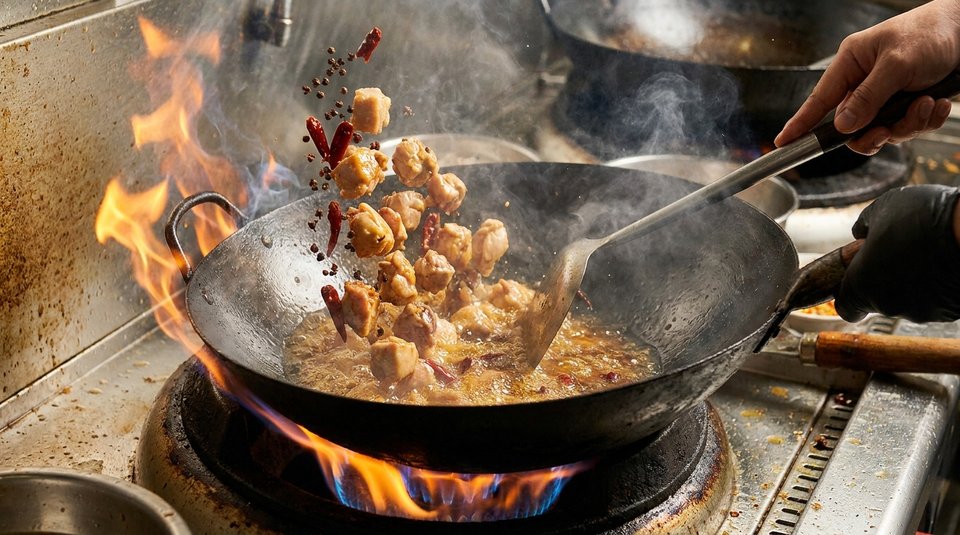
Heat a wok over high heat until it begins to smoke slightly. Add enough oil to coat the bottom (about 3040ml) and heat until a wooden chopstick sizzles immediately on contact. Add the marinated chicken cubes in a single layer do not crowd the wok or the chicken will steam instead of fry. Let the chicken sit undisturbed for 30 seconds to form a light crust, then flip to cook the other side. The chicken should turn white and have a light golden coating within 23 minutes total. Remove with a slotted spoon and set aside on a plate. Leave the oil in the wok.
Step 5: Build the Sauce and Combine
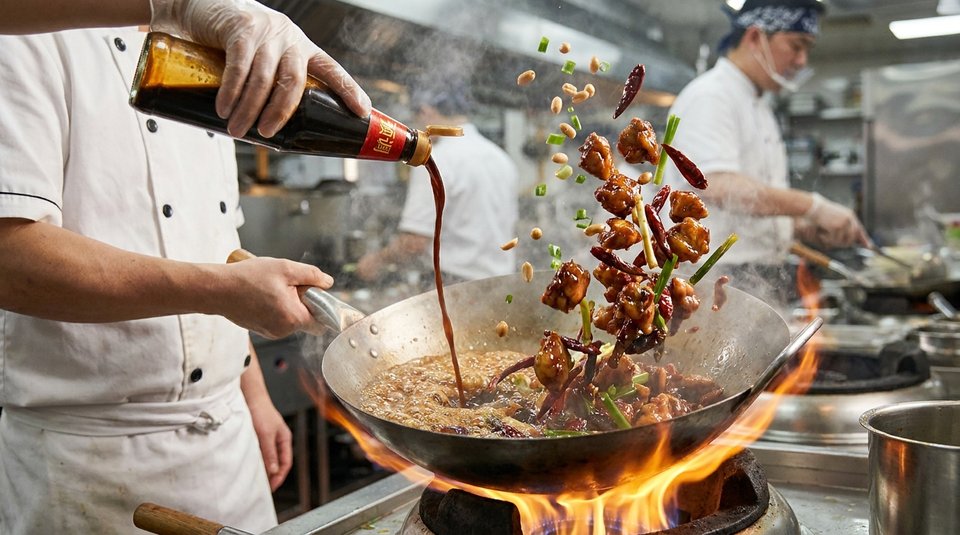
In the same wok over medium-high heat, add a tablespoon of fresh oil if the wok is dry. Add the dried chilies and Sichuan peppercorns and stir-fry for 2030 seconds until the chilies darken slightly and the peppercorns release their aroma this is the signature aroma of Kung Pao Chicken. Add the minced garlic and ginger and stir for 15 seconds. Return the fried chicken cubes to the wok and toss to coat in the spiced oil. Give the sauce bowl a final stir and pour it over the chicken the sauce will sizzle and immediately begin to thicken as the cornstarch activates. Toss rapidly, shaking the wok to coat every piece. Add the scallion segments and roasted peanuts. Drizzle with sesame oil if using. The sauce should coat the chicken in a glossy, thick layer within 30 seconds of being added.
Step 6: Plate and Serve
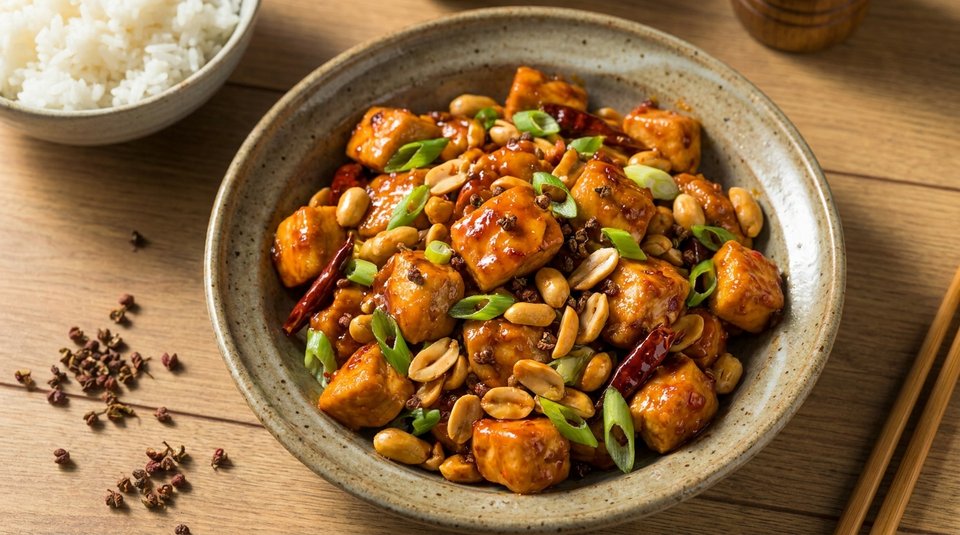
Transfer to a serving plate immediately Kung Pao Chicken waits for no one. The peanuts should be visible and scattered throughout, not all at the bottom. The dish should look glossy, with the sauce clinging to every chicken cube. The chilies should be visible as bright red accents. Serve immediately over steamed white rice. The texture contrast tender chicken, crispy peanuts, and sharp scallion is best when the dish is piping hot.
Tips
- Chicken thigh vs. breast: Chicken thigh is more forgiving and stays juicier, but breast cuts into cleaner cubes. Either works; thigh is the restaurant preference for its fattier, more flavorful profile.
- Don't overcrowd the wok: Working in batches if needed is essential. Overcrowding drops the oil temperature and turns the coating soggy instead of crispy. A screaming-hot wok and fast cooking are non-negotiable.
- Toast the peanuts in a dry pan: If using raw peanuts, toast them in a dry wok over medium heat for 34 minutes until golden and fragrant before using. This keeps them crunchy in the dish.
- The sauce thickens fast: Once you add the sauce, you have about 30 seconds to toss and coat. Have everything ready before you start there's no time to chop or measure while cooking.
FAQ
Can I use pre-made Kung Pao sauce instead of mixing my own?
You can, but the result will be noticeably different. Store-bought sauces are often too sweet, too thick, and lack the vinegar tang that defines authentic Kung Pao flavor. The homemade sauce takes 2 minutes and makes a dramatic difference.
My chicken turns out dry. What's wrong?
Overcooking is the most common cause. Chicken breast especially cooks quickly 23 minutes total in a hot wok is enough. Also ensure your marinade had enough cornstarch to coat the surface, and don't skip the egg white, which adds moisture retention.
Can I make this less spicy for kids?
Reduce the dried chilies to 34 pieces and use half the Sichuan peppercorns. The sauce still tastes great without the numbing heat the vinegar-sweet balance is what makes the dish delicious even at lower spice levels.
What can I substitute for Chinese black vinegar?
Rice wine vinegar is a reasonable substitute, though less complex. In a pinch, mix 2 parts white wine vinegar with 1 part water and a pinch of sugar it won't be the same, but it provides the necessary acidity.
How do I keep the peanuts crispy?
Add the peanuts at the very last moment before serving do not cook them in the sauce or they will soften. If cooking in advance, store them separately and scatter on top just before serving.