Handmade Pork and Cabbage Dumplings
手工水饺(猪肉白菜馅)
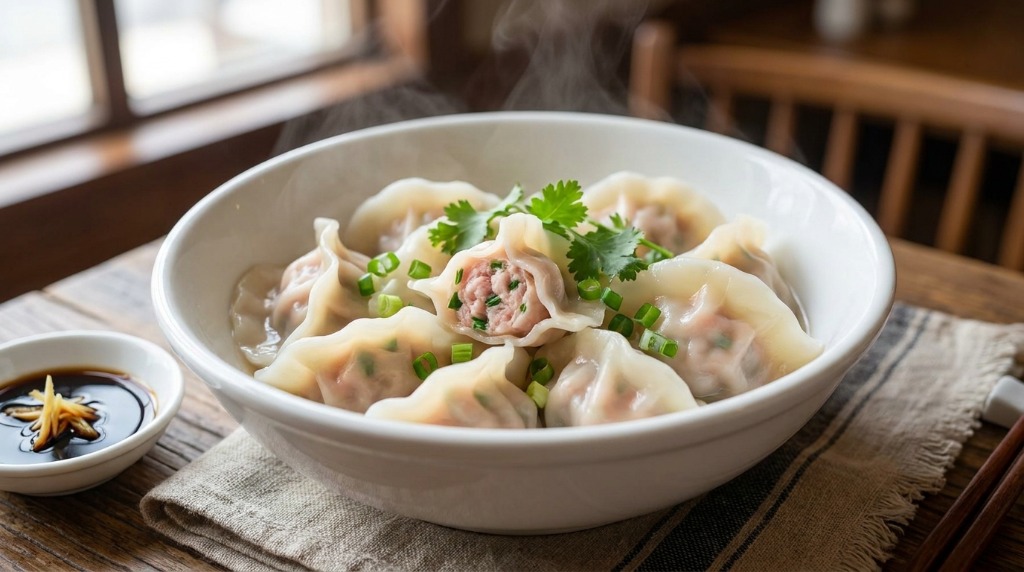
Description / 简介
Handmade Pork and Cabbage Dumplings () is a cornerstone of Chinese home cooking a dish that transforms simple ingredients into pure comfort. From kneading the dough to pleating each dumpling by hand, every step is meditative and rewarding. The translucent, silky wrappers hug a juicy, flavorful filling of seasoned pork and tender cabbage. Whether boiled, steamed, or pan-fried, fresh homemade dumplings are infinitely superior to anything from a store. Making dumplings together is also a cher
Ingredients / 食材
Dough:
- All-purpose flour 400g
- Warm water 200ml
- Salt 1g
Filling:
- Ground pork 300g (with 20% fat for juiciness)
- Chinese cabbage 200g (about 3-4 leaves)
- Scallions 30g (chopped)
- Ginger 15g (minced)
- Light soy sauce 15ml
- Oyster sauce 10ml
- Sesame oil 10ml
- Salt 5g
- Sugar 5g
- White pepper powder 2g
- Water 50ml (for filling, added in stages)
- Neutral cooking oil 20ml
Dipping Sauce:
- Chinese black vinegar 30ml
- Soy sauce 10ml
- Sesame oil 5ml
- Scallions 10g (chopped)
Instructions / 制作过程
Step 1: Make the Dumpling Dough
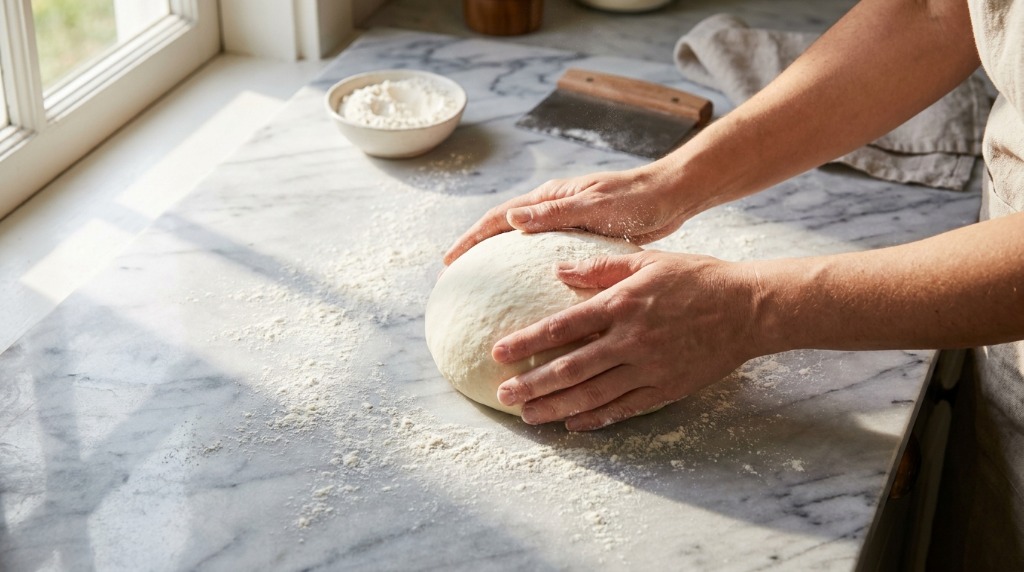
Sift 400g flour and 1g salt into a large bowl. Gradually add 200ml warm water (about 40C) while stirring with chopsticks or a fork. Keep mixing until the flour forms small fluffy flakes it should look like snow falling. Then use your hands to gather everything into a rough dough. Knead on a clean floured surface for 8-10 minutes until the dough is smooth, elastic, and no longer sticky. The dough should spring back when you poke it. Shape into a ball, cover with a damp towel, and rest for 30 minutes at room temperature.
Step 2: Prepare the Filling
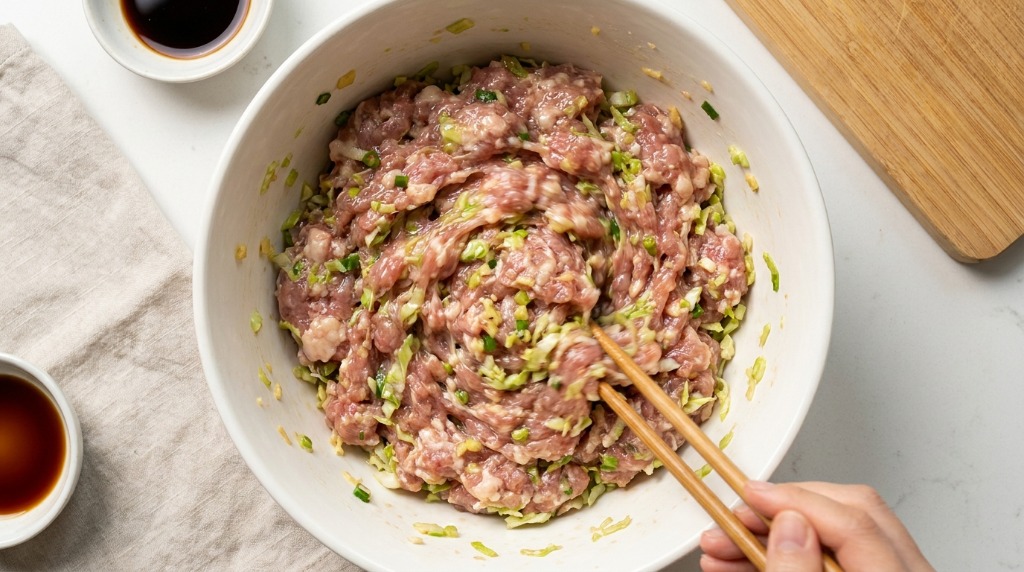
While the dough rests, make the filling. Chop the cabbage finely, place in a bowl, add 3g salt, mix well, and let sit for 15 minutes. Then squeeze out all the moisture by hand this step is critical to prevent a watery filling. In a large bowl, add the ground pork, minced ginger, scallions, light soy sauce, oyster sauce, sesame oil, 5g salt, sugar, and white pepper. Mix well, then add 50ml water in 3 additions, stirring vigorously in one direction (clockwise) after each addition. The water ensures the filling stays juicy and tender. Finally, mix in the squeezed cabbage and 20ml neutral cooking oil, stirring until everything is evenly combined. Refrigerate until ready to use.
Step 3: Roll Out the Wrappers
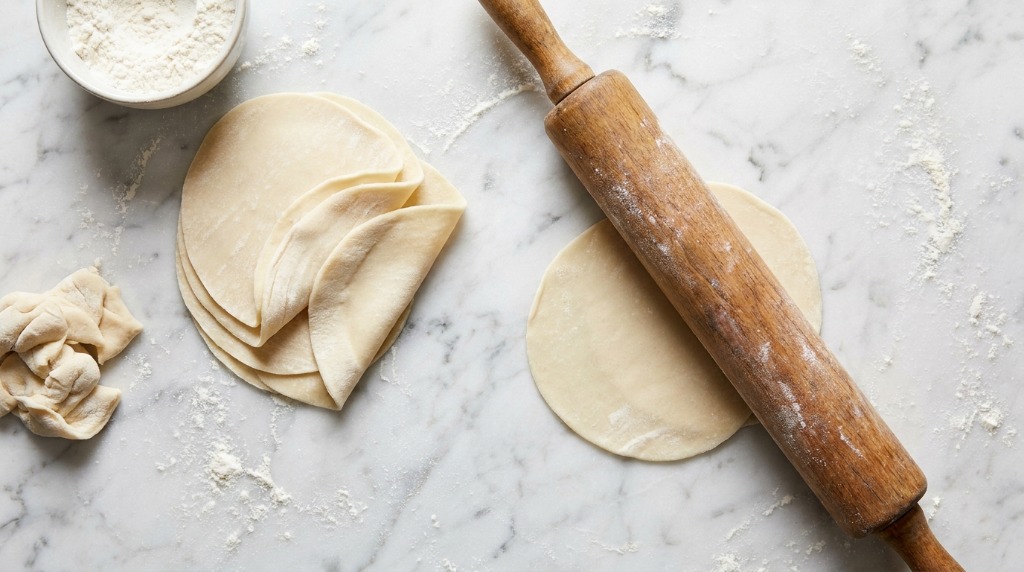
After the dough has rested, punch it down and knead briefly for 1 minute. Roll it into a long log about 2cm in diameter. Use a knife to cut it into pieces of about 12g each you should get about 40 pieces. Roll each piece into a thin round wrapper on a floured surface, using a wooden rolling pin. The center should be slightly thicker than the edges (about 3mm thick at center, 1.5mm at edges). This thickness difference gives the dumpling a nice seal and prevents the center from tearing. Dust each wrapper with flour to prevent sticking.
Step 4: Wrap the Dumplings
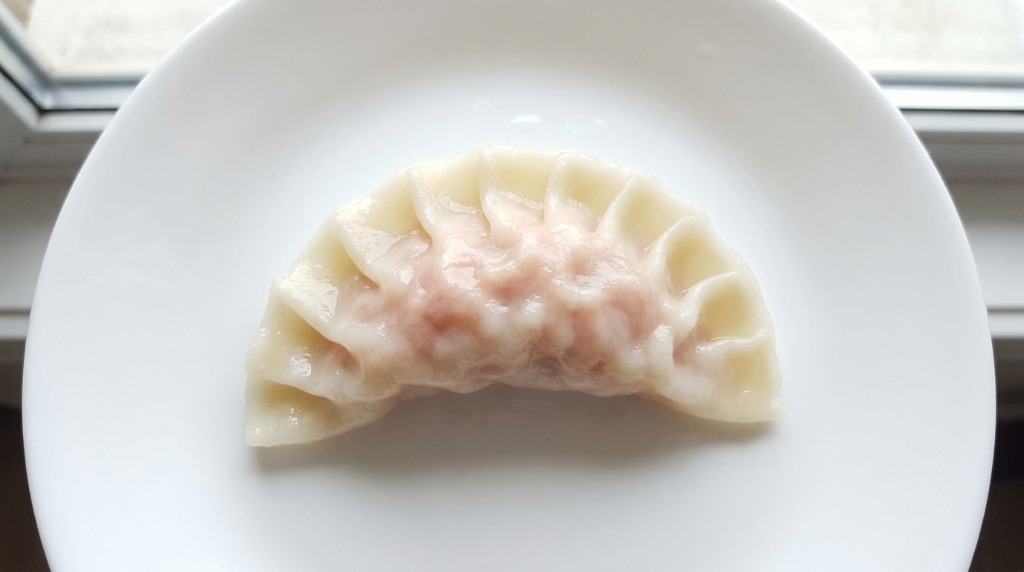
Place a wrapper in the center of your palm. Add about 15g of filling (1 level tablespoon) in the middle of the wrapper. Dip your finger in water and run it along the entire edge of the wrapper to moisten it. Fold the wrapper in half over the filling, pressing the top edge down firmly. Starting from one end, pleat the edge with your thumb and index finger fold a small pleat forward, then press firmly to seal, then repeat along the entire edge. Pinch firmly to ensure a tight seal. There are many pleating styles: the classic crescent shape, the flat rectangle shape, or the flower shape. Place each completed dumpling on a floured plate. Repeat until all wrappers are filled.
Step 5: Cook the Dumplings (Boiling Method)
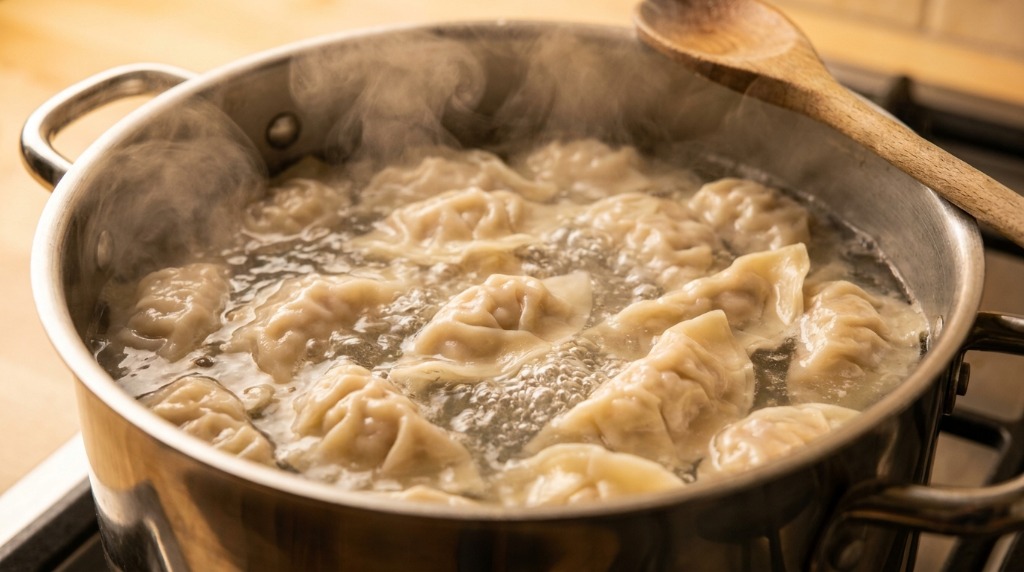
Bring a large pot of water to a rolling boil. Gently drop the dumplings into the boiling water do not overcrowd. Use a wooden spoon to carefully stir them so they don't stick to the bottom. When the water returns to a boil, add 100ml cold water and stir again. Repeat this cold-water addition process 3 times total (add cold water wait for boil stir). The cold water ensures even cooking and gives the dumplings their characteristic smooth skin. When the dumplings float to the surface and bob for 10 seconds, they are done. Use a slotted spoon to remove them carefully, draining well.
Step 6: Plate and Serve
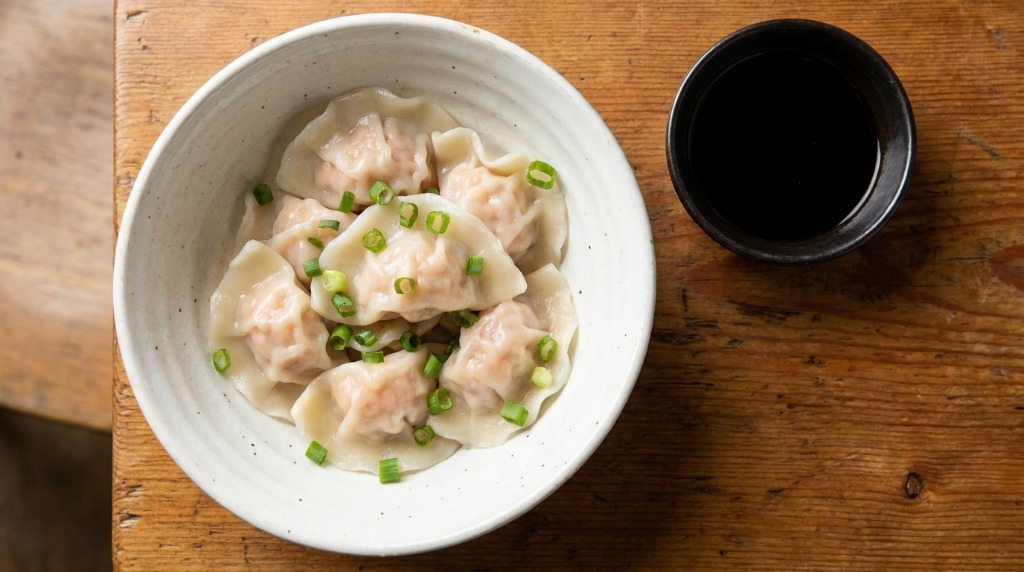
Arrange the hot dumplings on a serving plate. Mix the dipping sauce: combine Chinese black vinegar, soy sauce, sesame oil, and chopped scallions in a small bowl. Serve immediately with the dipping sauce on the side. For an extra kick, add a few drops of chili oil to the sauce. Eat while hot the skin should be smooth and slightly glossy, and the filling juicy and fragrant.
Tips
- Cabbage must be dry: After salting and resting the cabbage, squeeze out ALL moisture. Any remaining water will make the filling soggy and cause the dumplings to break during cooking.
- Fat matters: Use pork with at least 20% fat content. Lean pork produces dry, tough dumplings. The fat renders during cooking and creates the juicy, flavorful filling that makes homemade dumplings special.
- Knead the dough well: A well-kneaded dough with good gluten develops the silky, elastic texture that prevents tearing. Don't rush the 8-10 minute kneading.
- Rest the dough: Let the dough rest covered for 30 minutes. This relaxes the gluten and makes the dough much easier to roll out into thin, pliable wrappers.
- Cold water trick when boiling: Adding cold water 3 times during boiling is the secret to perfectly cooked dumplings with a smooth, firm skin not gummy or overcooked.
- Freeze raw dumplings: Place uncooked dumplings on a floured tray and freeze until solid, then transfer to bags. Cook directly from frozen add 1 extra minute to the cooking time.
FAQ
Q1Can I use all-purpose flour instead of bread flour or special dumpling flour?
AYes, regular all-purpose flour works perfectly fine for dumplings. There's no need for high-protein bread flour what matters most is the dough hydration ratio (about 1:0.5 flour to water) and resting the dough long enough for the gluten to relax. Cold water is preferred over warm water for a chewier, more elastic wrapper.
Q2Why does my dough crack when I roll it out?
AThe dough hasn't rested long enough. After kneading, cover and rest for at least 30 minutes this allows the gluten to relax and the dough to become pliable and easy to roll without springing back or cracking. If it still cracks, knead it again briefly and rest another 15 minutes.
Q3Why is my dumpling filling too watery?
AThis is the most common dumpling problem. After chopping vegetables, always salt them and let them sit for 1015 minutes, then squeeze out all the liquid with a clean towel before mixing with the meat. Wet filling makes dumplings burst during cooking and the wrappers become soggy. The liquid you squeeze out is the culprit don't skip this step.
Q4Should I seal dumplings with water, egg, or flour paste?
AWater is the traditional method and works perfectly well run a wet finger around the edge of the wrapper, then fold and pinch firmly. The moisture acts as a glue when pressed. Egg wash gives a stronger seal but changes the wrapper texture slightly. Flour paste (water + a pinch of flour) is a happy medium used in many restaurants.
Q5What's the best way to cook dumplings pan-fry, boil, or steam?
AAll three are delicious, it depends on your preference. Boiling () gives soft wrappers with a gentle bite. Pan-frying () creates a crispy golden bottom with soft top the most popular method. Steaming () produces the softest, most pillowy wrappers. Try all three, they're all worth mastering.