Steamed Pork Buns (Zheng Bao Zi)
蒸包子
Description / 简介
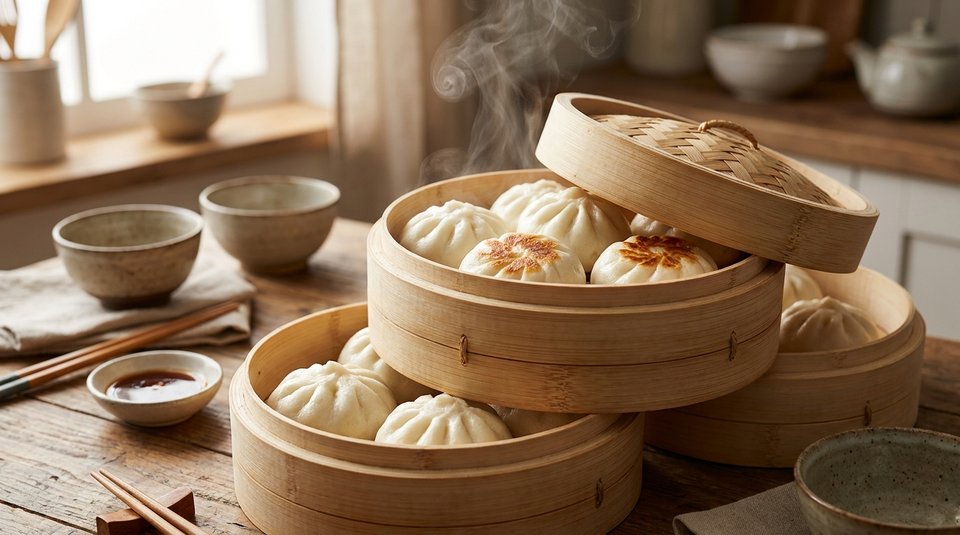
Zheng Bao Zisteamed buns filled with savory porkare a cornerstone of Chinese breakfast culture, found in every corner of China from roadside carts to high-end dim sum restaurants. The magic of a great bao lies in its dough: pillowy soft, slightly chewy, and snow-white from the alkaline reaction of the fermentation. Inside, a rich pork filling seasoned with ginger, scallion, and soy sauce releases aromatic juices as the bun steams. Mastering the doughachieving the right balance of airiness and
Ingredients / 食材
All-purpose flour () 500g
Instant dry yeast 5g
Granulated sugar 10g
Warm water 260ml (3840C)
Ground pork 400g (preferably with 20% fat)
Scallions 30g (finely chopped)
Ginger 15g (minced)
Light soy sauce 20ml
Oyster sauce 10ml
Sesame oil 10ml
Salt 3g
Sugar 5g
White pepper 2g
Chicken stock or water 50ml (for "soup-style" filling)
Instructions / 制作过程
Step 1: Make and Ferment the Dough
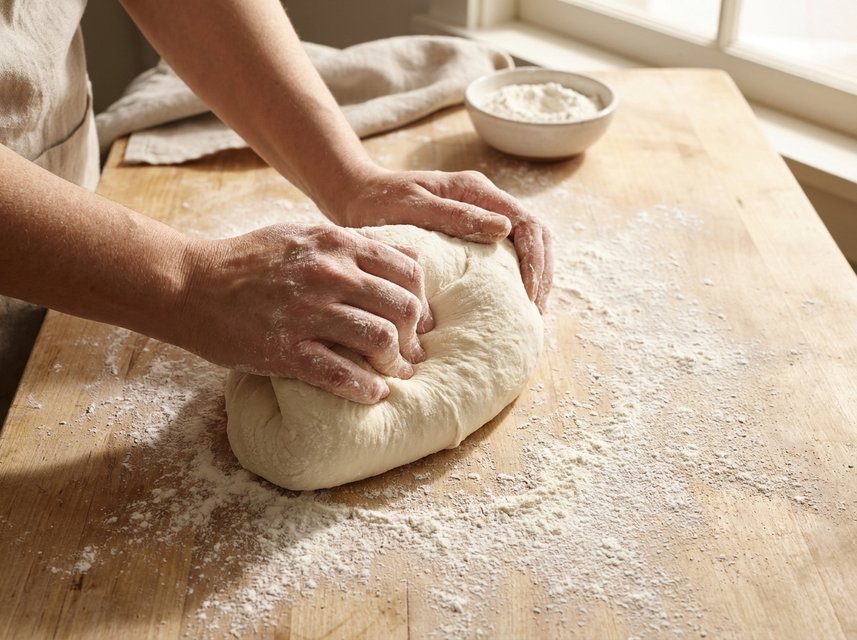
Combine the flour, yeast, and sugar in a large mixing bowl. Pour in the warm water gradually while stirring with a spatula or your hand until a rough dough formsno dry flour should remain. Transfer to a clean surface and knead for 810 minutes until the dough is smooth, elastic, and no longer sticky. Shape into a ball, place it back in the bowl, cover with a damp cloth or plastic wrap, and let it rise in a warm spot (2530C) for 6090 minutes, or until doubled in size. The dough is ready when it feels airy, holds an imprint when poked, and has a faint sweet-sour yeast smell.
Step 2: Prepare the Pork Filling
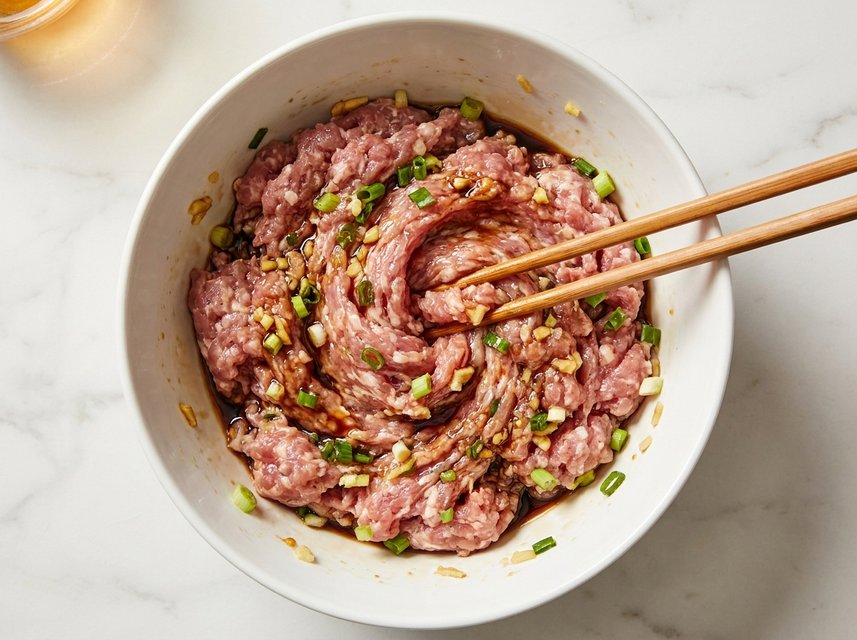
While the dough ferments, make the filling. Place the ground pork in a large bowl. Add the soy sauce, oyster sauce, sesame oil, salt, sugar, and white pepper. Use chopsticks to stir the mixture vigorously in one direction for 23 minutes until it becomes sticky and glossythis is called "" and it ensures the filling holds together when steamed. Slowly add the chicken stock, a tablespoon at a time, stirring until fully absorbed before adding morethis creates the "soup" inside the bun. Fold in the minced ginger and chopped scallions. Refrigerate the filling for 30 minutes before use; cold filling is much easier to work with when wrapping.
Step 3: Divide the Dough and Roll the Skins
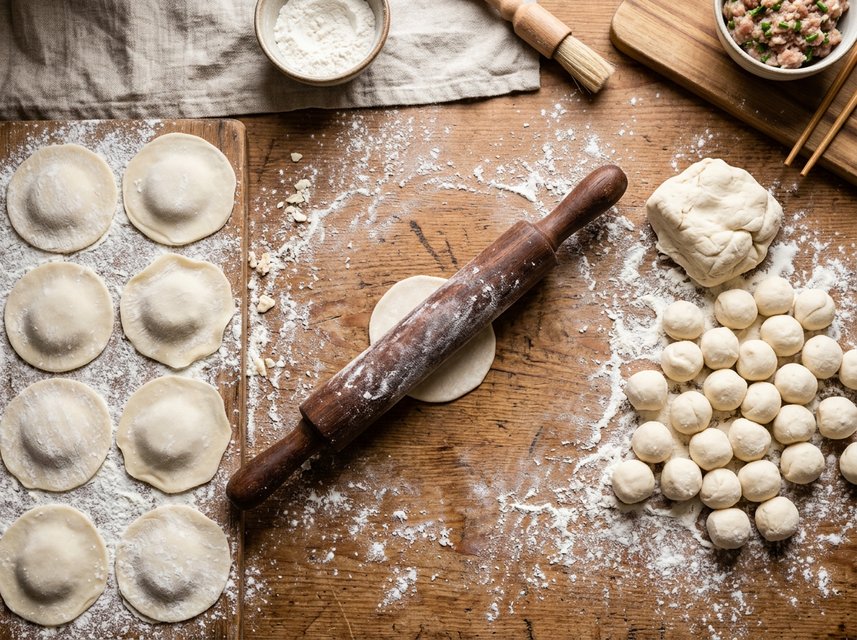
Once the dough has doubled, punch it down gently to release air bubbles and knead for 12 minutes to restore smoothness. Divide the dough into 12 equal portions (about 65g each) using a bench scraper or knife. Roll each portion into a smooth ball by tucking the edges underneath. On a lightly floured surface, use a wooden rolling pin to flatten each ball into a round skin approximately 10cm in diameter. The key is to roll the edges thinner than the centera slightly thicker center gives the bun structural strength while thin edges fold and seal easily. Work quickly to prevent the skins from drying out.
Step 4: Wrap the Buns ()
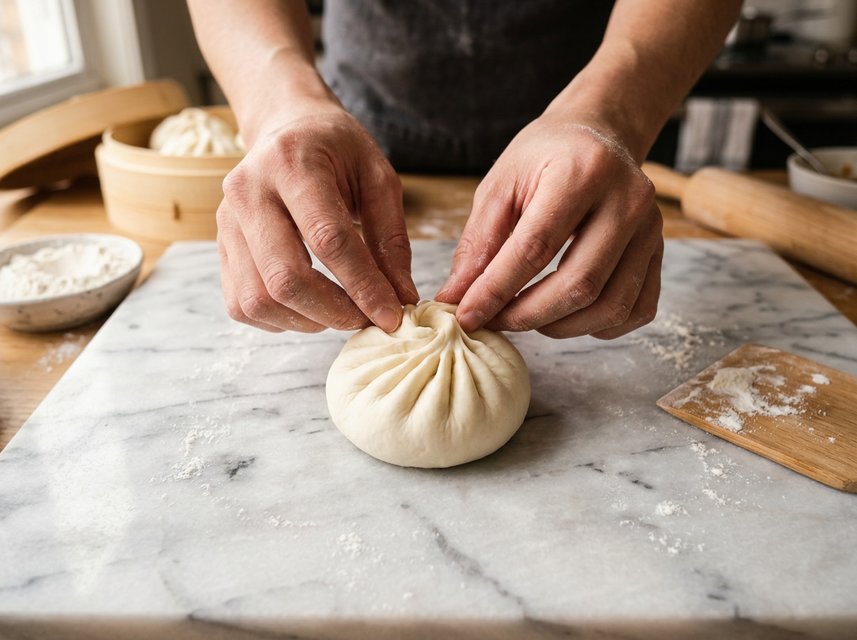
Holding a dough skin in your palm (non-dominant hand), place approximately 30g of filling in the center. With your dominant hand, start at the edge of the skin and pinch the first pleat with your thumb and index fingerhold the first pleat in place with your thumb while your index finger pulls the skin outward. Continue pinching new pleats clockwise, overlapping each one, and use your non-dominant hand to rotate the bun as you go. Aim for 1014 evenly spaced pleats that radiate from the center. Pinch and twist the top to seal completely. Set the finished bun seam-side up.
** (YouTube):
How to Wrap Chinese Baozi - YouTube
Step 5: Second Proofing
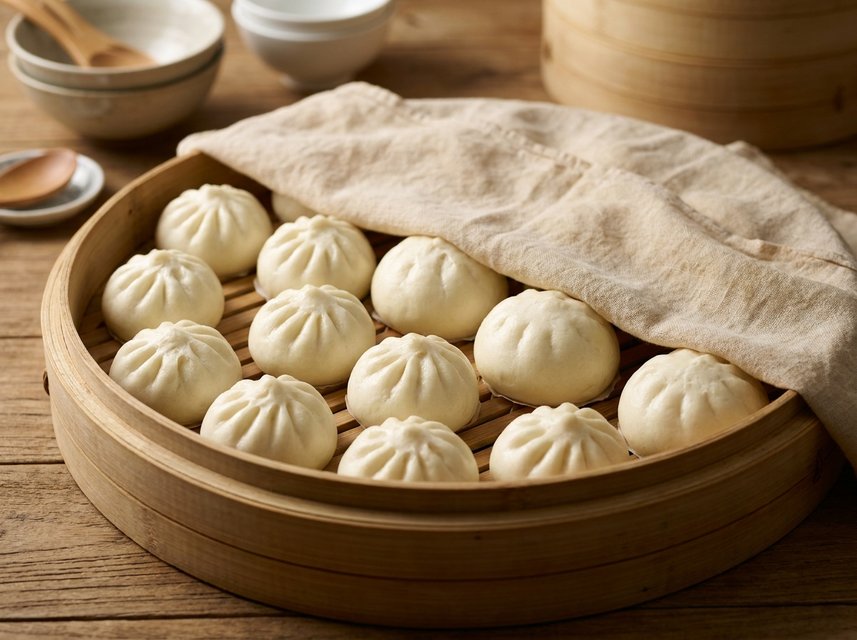
Arrange the wrapped buns seam-side up on a bamboo steamer lined with parchment paper or a cabbage leaf, leaving 23cm of space between each bun. Cover with the steamer lid and let them rest at room temperature for 2030 minutes. The buns should increase in volume by about 50% and feel light and airy when picked upthis second proof is what makes the dough fluffy rather than dense. In cold weather, place the steamer over a pot of warm water (not hot) to speed up the process.
Step 6: Steam the Buns
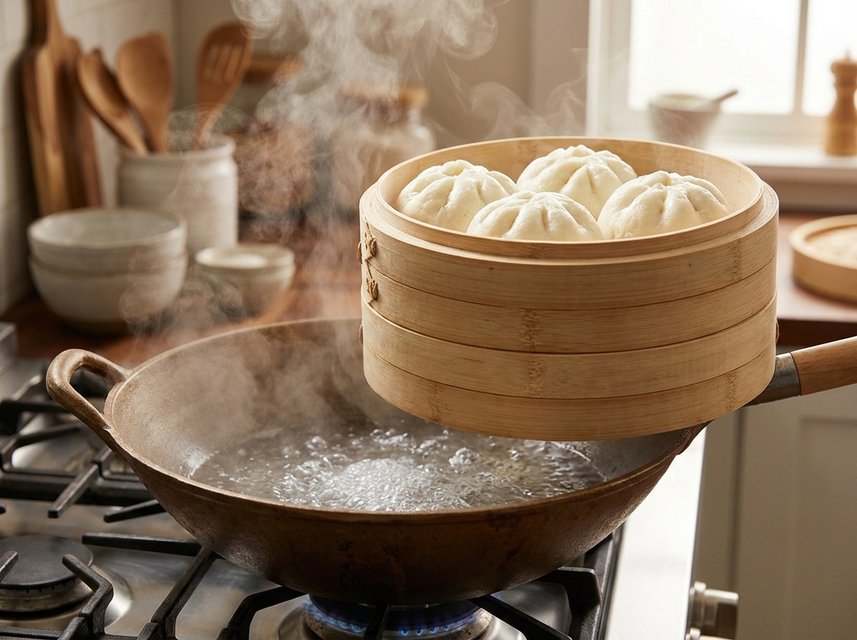
Fill a wok or large pot with water and bring to a rolling boil over high heat. Place the steamer basket with the proofed buns over the boiling water. Steam on high heat for 1214 minutes for medium buns (about 65g each). Do not open the lid during steamingthe sudden drop in temperature will cause the buns to collapse and become dense. When the timer is done, turn off the heat and let the buns rest with the lid on for 35 minutes. This final rest allows the structure to set properly. Remove the lid carefully, tilting it away from you to avoid steam burns, and serve immediately while fluffy and fragrant.
Tips
- Water temperature for yeast: Always use water at 3840Ctoo hot kills the yeast, too cold delays or prevents fermentation. If you have no thermometer, it should feel just comfortably warm on your wrist.
- Fat content matters: Ground pork with 1520% fat ensures a juicy filling. Very lean pork produces a dry, tight-textured filling that is far less satisfying.
- Cold filling is key: Always chill the filling before wrapping. Cold fat firms up, making it much easier to portion and seal without the filling melting and leaking during steaming.
- No peeking during steaming: This cannot be overstated. Every time you lift the lid, a rush of cool air causes the delicate bubble-structured dough to collapse inward, leaving you with flat, chewy buns. Set a timer and trust the process.
FAQ
Q1Why did my dough turn out dense and hard instead of fluffy?
AThe two most common causes are over-proofing or under-kneading. Knead the dough until it's smooth and passes the "windowpane test" stretch a small piece thin enough to see light through without tearing. For proofing, let the dough rise until doubled, about 4560 minutes at room temperature not longer, or the gluten collapses and the buns deflate during steaming.
Q2Why did my baozi collapse and turn wrinkled after steaming?
AThis is called "denting" the buns collapsed when the lid was removed too quickly, causing a temperature shock. The golden rule: turn off the heat, crack the lid open just a crack, and let the buns rest for 5 minutes before fully removing. This gradual temperature drop prevents the buns from shrinking.
Q3Can I use instant yeast instead of active dry yeast?
AYes, instant yeast (also called rapid-rise yeast) is actually more convenient it dissolves directly into the flour without proofing first. Use the same amount as active dry yeast. The rising time will be slightly shorter with instant yeast.
Q4What can I substitute for pork in the filling?
AGround chicken or turkey works well as a leaner alternative. For a vegetarian filling, try tofu with mixed vegetables, glass noodles with mushrooms, or red bean paste for a sweet version. The key is to keep the filling relatively dry wet fillings make the buns soggy.
Q5How do I store and reheat leftover steamed baozi?
ARefrigerate in an airtight container for up to 3 days. To reheat, steam for 35 minutes directly from the fridge this restores the fluffy texture perfectly. Do not microwave, which makes the buns dense and rubbery. For longer storage, freeze before refrigerating and reheat the same way.